
Vertical vs Horizontal Canvas Prints: When Each Works Best
A canvas can look completely different depending on which way you hang it. Tall wall spaces usually suit vertical prints, while horizontal prints tend to work better above sofas, beds, and other wide furniture.

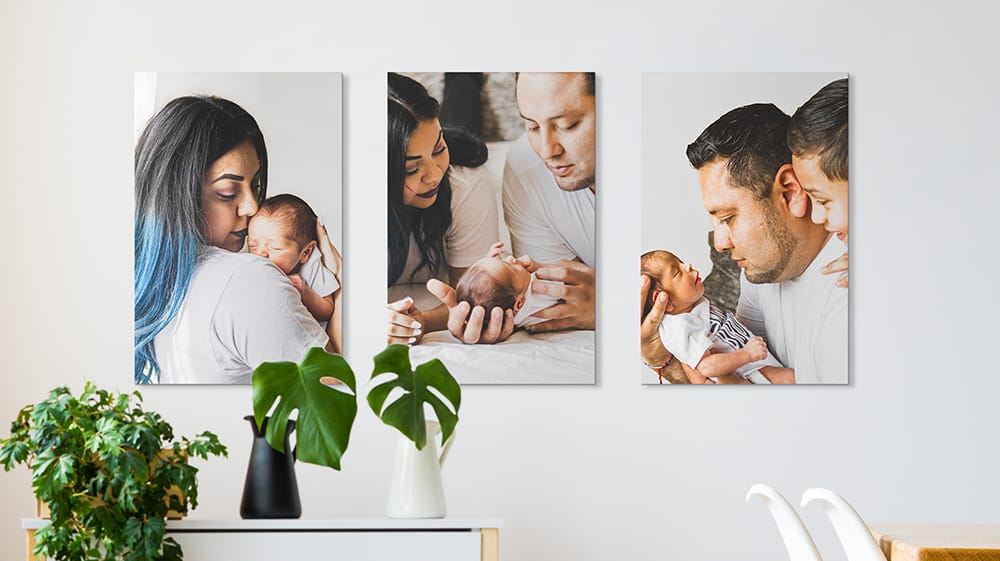
The photo matters too. Before picking a size, think about how the image will fit into the space around it.
When to Go Vertical
Vertical prints are taller than they are wide, so your eyes naturally travel upward when you look at them. This can give the impression of higher ceilings and a little more space in the room. They’re a natural fit for standing portraits, full-length fashion shots, towering trees, waterfalls, and tall buildings.
Vertical canvases are also great for narrow spaces, such as hallways, between windows, or beside a door. They work well above small furniture and can add elegance to an entryway or home office by highlighting height. Canvas On Demand offers options like single-photo or framed canvas prints. This is also called portrait orientation, even if the subject matter isn’t a portrait of someone.
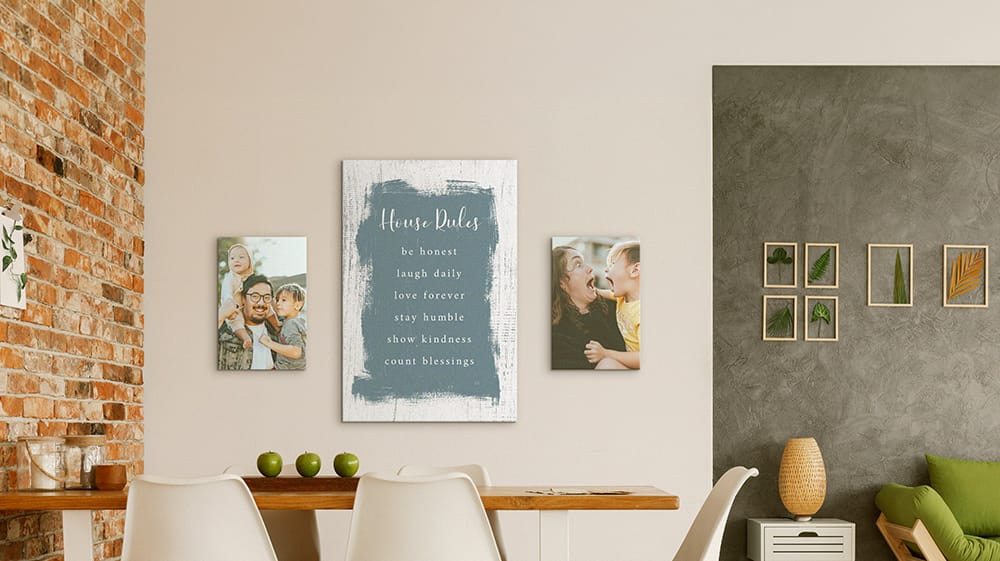
When to Go Horizontal
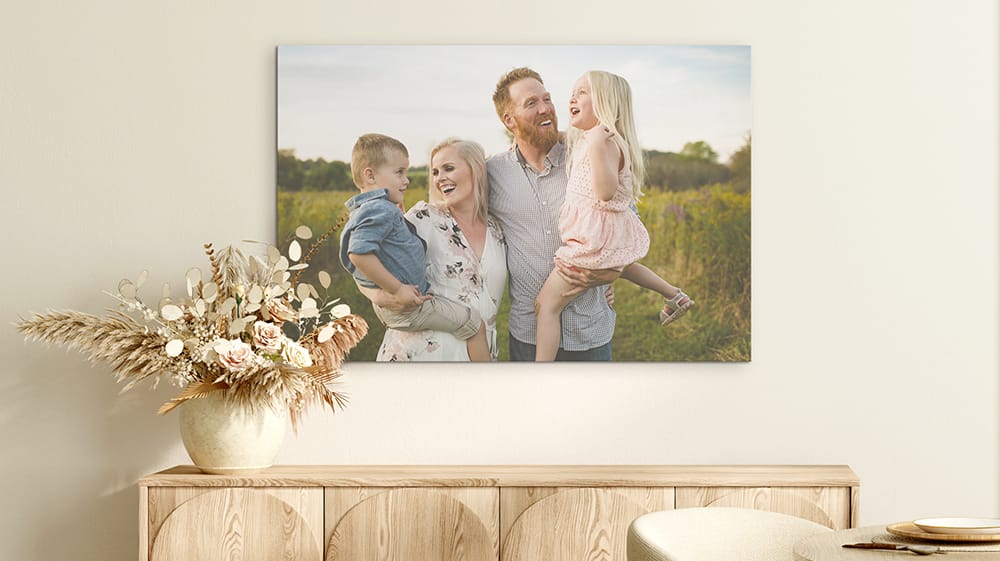
Horizontal prints are wider than they are tall, giving the image room to stretch across the wall. They work especially well for landscapes, panoramic views, group photos, and travel pictures with plenty of scenery. Since your eyes move from one side of the image to the other, this format can also help a photo tell a fuller story.
If you want something to hang above a sofa, bed, dining table, or mantel, horizontal prints are usually best. Their width helps anchor big furniture and fills wide wall spaces without making the room feel crowded. Panoramic canvas prints look especially striking for wide landscapes. This is also called landscape orientation, even if the subject matter isn’t picturing a landscape scene.
How to Make the Right Choice
Look at what’s happening in the photo. Does the subject fill the frame from top to bottom, or does the scene spread out across it? A close-up portrait will probably suit a vertical canvas. A family lined up on the beach will need more width.
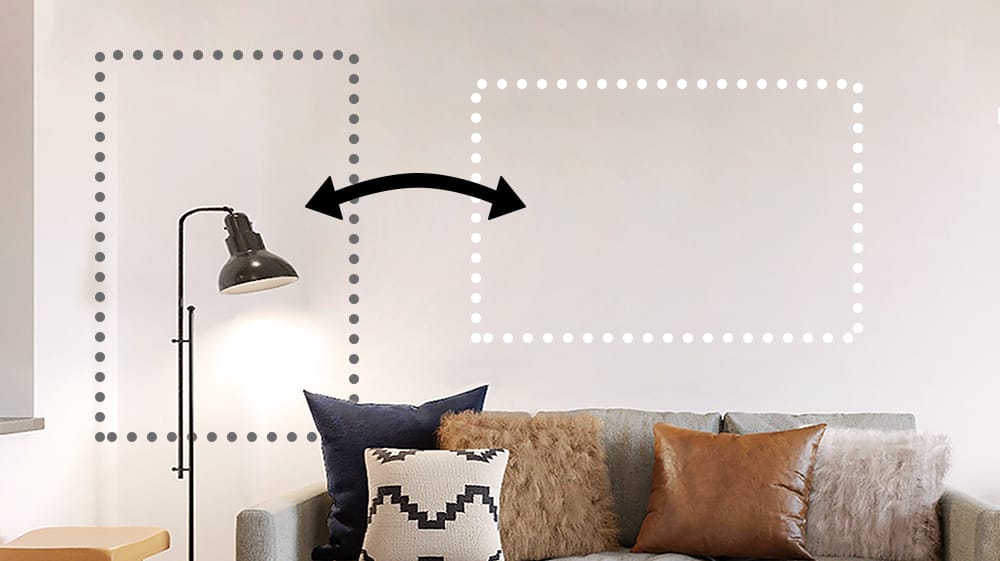
Where you’re hanging it matters, too. The narrow space between two windows can be hard to fill, but a vertical print may fit there perfectly. Over a bed or sofa, a single canvas usually looks more at home with a horizontal shape. It doesn’t have to line up with every piece of furniture. It just needs to look comfortable in the space.
Tips for Hanging Your Prints
A good rule for hanging wall art on a blank wall is to place the center of the artwork at eye level, usually about 57 to 60 inches from the floor. If you’re hanging art above furniture, leave about six to eight inches between the bottom of the canvas and the top of the furniture.
In the end, whether you choose vertical, horizontal, or multiple pieces of the same or mixed orientations, picking the right orientation helps your art look its best and improves your space. Once you know what each format is good for, you can confidently choose the perfect print for any room.
Since 2003, Canvas On Demand has been crafting affordable, high quality, personalized home goods that celebrate life's moments, both big and small, through the permanence of print.
Back to Blog